
Idaho Properties




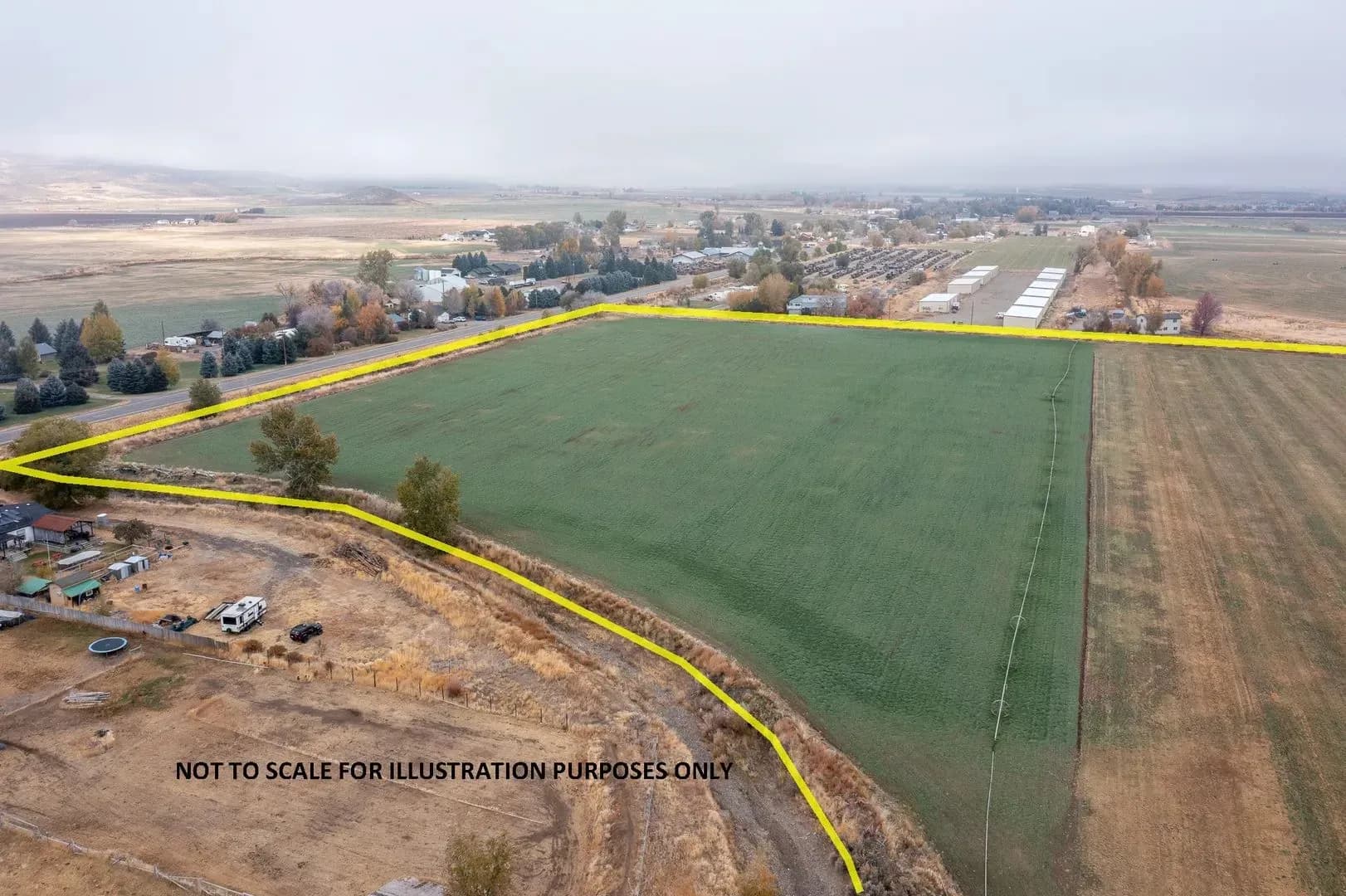






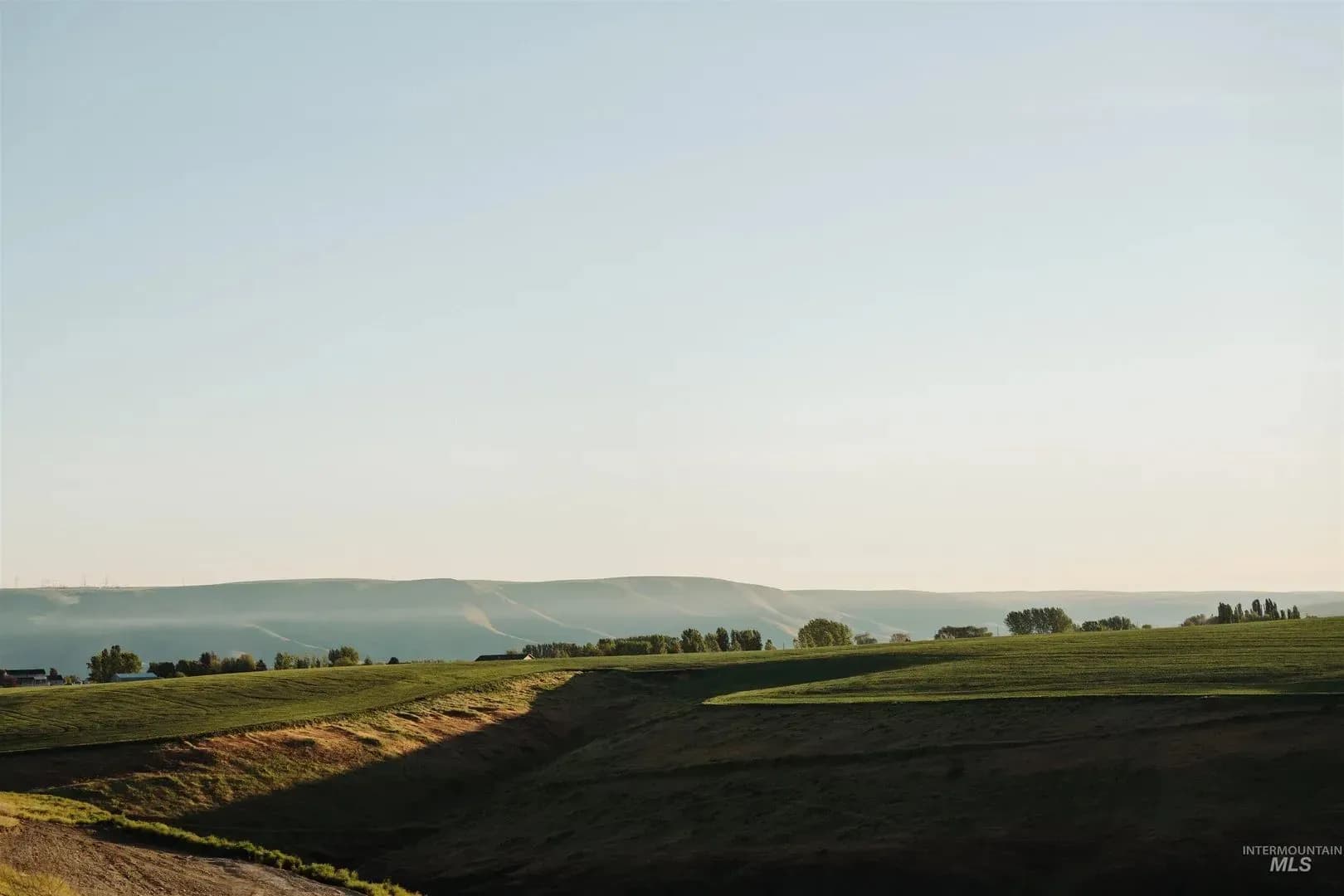

Idaho's agriculture is characterized by its diverse climate and geography, which support a wide range of crops. The southern part of the state, particularly the Snake River Plain, is a major agricultural region known for its fertile volcanic soil and extensive irrigation systems. This area is ideal for growing potatoes, sugar beets, beans, and alfalfa.
Northern Idaho has a cooler, wetter climate suitable for crops like wheat, barley, and peas. The state's agricultural sector also includes significant livestock production, with cattle and dairy farms contributing to the economy. Idaho is famous for its potatoes, which are a major export crop.
Irrigation is crucial in many parts of Idaho due to the arid climate, with water sourced from rivers, reservoirs, and groundwater. Sustainable farming practices are increasingly important, with many farmers adopting techniques to conserve water, reduce soil erosion, and minimize pesticide use. Idaho's agricultural industry faces challenges such as water management, market fluctuations, and labor availability, but it remains a vital part of the state's economy.